
Hegel and AI: An Analysis of Android Self-Consciousness in Philip K. Dick’s Do Androids Dream of Electric Sheep?
Jack Smyth
Trinity College Dublin
Abstract
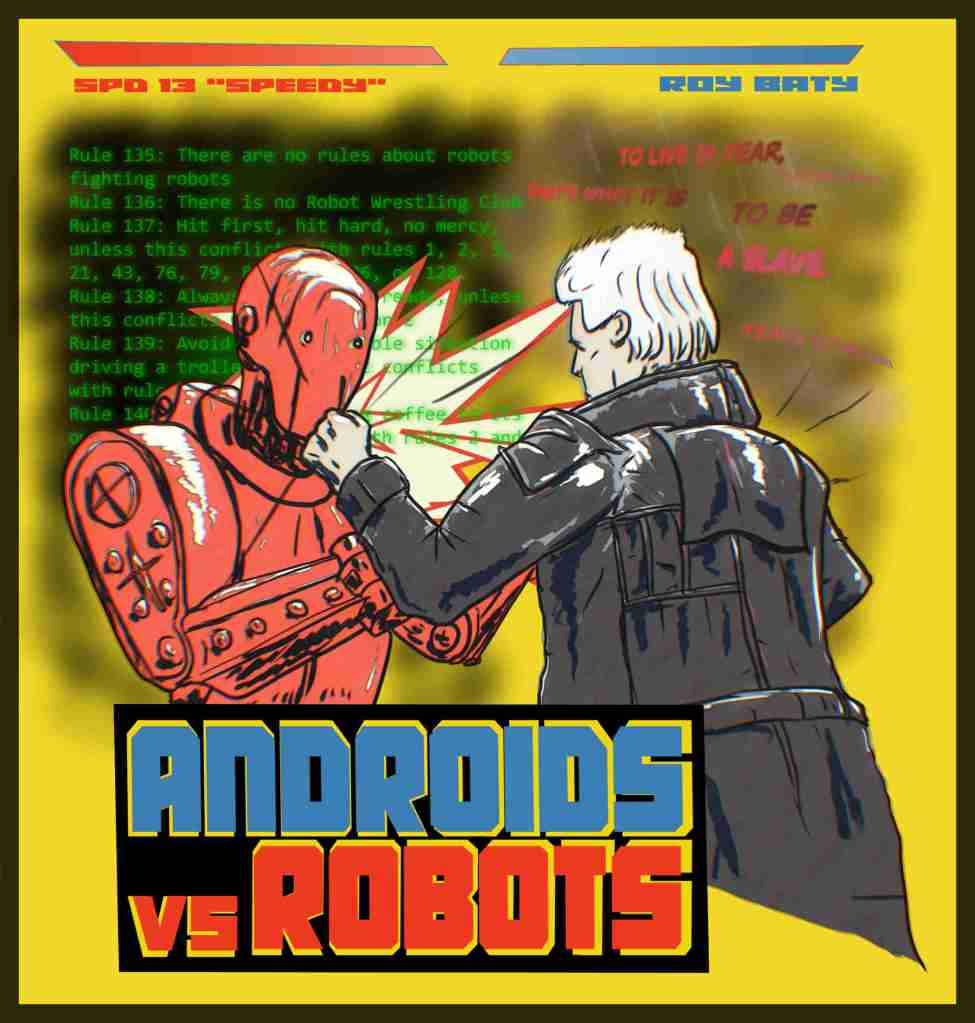
This article investigates Philip K. Dick’s novel Do Androids Dream of Electric Sheep to come to an understanding of the self-conscious behaviour of androids in the novel within a Hegelian framework. Hegel’s The Phenomenology of Spirit is employed as the chief analytical text throughout the essay. The Phenomenology complements Dick’s tale of androids searching for recognition when one parallels their plight with Hegel’s enslaved subject in the “Lordship and Bondage” chapter of the Phenomenology. This study analyses the degree to which the androids in DADES exhibit proof of Hegelian consciousness, and aims to locate the point at which androids no longer ascribe to Hegelian ideas of human consciousness. The essay ultimately concludes that, while Dick’s androids are indeed self-conscious beings, they are not yet phenomenally human due to their lack of Rational Self-Consciousness.
About the Author
Jack Smyth Jack Smyth is a mechanical engineer from Wexford, Ireland. He is a graduate of Trinity College Dublin, where he began his philosophical work on analysing fictional representations of artificial intelligence. “Hegel and AI” is his first publication.
Published: 2024 – 07 – 01
Issue: Vol 7 (2024)
Section: Yearly Theme
Copyright (c) 2024 Jack Smyth

This work is licensed under a Creative Commons Attribution-NonCommercial 4.0 International License.
Copyright for articles published in this journal is retained by the authors, with first publication rights granted to the journal. By submitting to this journal, you acknowledge that the work you submit has not been published before.
Articles and any other work submitted to this journal are published under an Attribution / Non-Commercial Creative Commons license; that is, by virtue of their appearance in this open access journal, articles are free to use – with proper attribution – in educational and other non-commercial settings.
There are no fees for authors publishing in the Journal.
 Journal of Science Fiction and Philosophy
You must be logged in to post a comment.